Read time: 7 minutes
I had a .m4v video file in my system, but the media player in my computer was unable to play it, and even if it starts playing, there was no audio or video output. Why is my .m4v file not playing in any media player?
Numerous queries, such as the one mentioned, have been posted on Apple Inc. and other media player forums. Still, a definitive solution for repairing and accessing M4V files remains elusive. M4V files sometimes play with visual distortions or freeze during playback because of corruption. Now this can happen either because of DRM conflict, incomplete downloads, or damaged metadata. Good thing is, M4V files can be recovered to the original state if the corruption isn’t that severe. This article will delve into the intricacies of how to repair M4V video files. However, before we embark on that journey, let’s gain a better understanding of this file format.
What is an M4V File?
The M4V video file format was created by Apple Inc. exclusively for encoding videos seen on the iTunes store. Although M4V video files resemble MP4 files in several ways, the main difference between the two formats is that M4V files have Digital Rights Management (DRM) security. They can only be played back on systems that support iTunes and QuickTime due to DRM restrictions. Unexpectedly, problems can still occur even with this safety feature. You might run into scenarios where you need to learn how to fix M4V video files in case of corruption.
M4V errors and their fixes
| Error | Cause | Fix |
|---|---|---|
| Codec issues (error 23132) | Missing codecs or outdated graphic drivers | Install missing codecs or update graphic drivers |
| Authorization issues | DRM conflict | Reauthorize iTunes account |
| Audio only, no video | Video truncated or codec issue | Re-encode video file |
| Black screen | Metadata corruption | Use FFmpeg utility |
What are the causes of M4V File Corruption?
There could be multiple reasons behind an M4V file corruption. However, the most common reasons include:
- Virus or malware attack: Incidents like viruses, malware, spyware, or Trojan attacks targeting storage media or the system can result in significant harm to your M4V files.
- File conversion: Improper M4V file conversion to any other format can damage the video file and render the file useless.
- Header corruption: Sometimes while converting an M4V file to any other format, the header of the file gets corrupt, making it unplayable.
- Immediate termination: Situations like immediate shutdown of the system, power outages, or closing the media player accidentally often lead to forceful termination of video, which can cause M4V file corruption.
- Corrupted storage media: There can be times where the storage device of the video file can get damaged and corrupt the M4V videos stored in it.
- Corruption in DRM Protection: M4V files purchased from the iTunes Store often come with Digital Rights Management (DRM) protection. If there are issues with the DRM or if the authorization fails, it can render the M4V file unplayable.
How does DRM affect M4V playback?
Digital Rights Management (DRM) is a set of policies used by iTunes and other major platforms to protect videos and prevent piracy. While DRM is best to prevent copyright infringement and protect intellectual property, it can sometimes interfere with video playback.
M4V videos downloaded from iTunes are encrypted and can only be played in specific authorized user accounts and devices. This can interfere with M4V playback and make the video file inaccessible in an unsupported setting.
How to Repair Corrupt M4V Files?
The method to repair corrupt M4V files depends entirely on the level of corruption and damage in these files. We’ve given some effective ways to repair M4V files with minor corruption.
Important Note: Before trying to repair M4V files, backup and create multiple copies of your video files to protect them against data loss.
#1. Change the codecs
Each video file has encoding that allows for effective transmission and is only used when required. However, the file cannot be played if the codec is either missing from the file or fails to work. To restore access to the corrupted M4V video file, it is therefore advised to check for any missing codecs or try to replace them.
#2. Download video from a reliable source
Many users frequently acquire video files from untrustworthy and unreliable platforms, leading to file corruption. Even readily available sources may not guarantee security. Therefore, it is advisable to obtain the M4V video file from a trusted source to prevent any potential corruption.
#3. Update video drivers
If your system’s video drivers are outdated, they can potentially cause issues with the functionality of M4V videos. Therefore, it’s advisable to verify the currency of your laptop’s media drivers and, if necessary, obtain the most recent updates to ensure smooth operation.
#4. Repair M4V files with VLC Media Player
If M4V files become corrupted, an easy way to repair them is by using VLC Media Player. Use VLC media player to carry out this process by following the steps below:
- Choose the desired M4V file and change the file extension to AVI.
- Now open this video file in VLC Media Player.
- Click on Tools > Preferences.
- Go to the Input/Codecs tab.
- Choose Always Fix in the Damaged or incomplete AVI file.
#5. Use FFmpeg utility
FFmpeg utility is a great way to repair M4V files by using commands to fix damaged video files. This free tool repairs, audio, video, and other multimedia components with the help of its vast libraries and programs available. Users can repair corrupt M4V files by remuxing, demuxing, and transcoding the video file.
Why won’t my M4V files play even after everything?
Even though the above-given troubleshooting methods are helpful most of the times, recovery might not be possible every single time. If you fail to repair M4V files even after trying all the methods, maybe the video data is completely irrecoverable. Below we have explained some situations where M4V video file recovery is not possible:
- Overwritten M4V video data: M4V videos can get corrupt if their essential metadata gets overwritten. Once the file’s data is overwritten, it’s not possible to recover it by any means.
- Missing video data: Sometimes M4V files are saved at a location, but they don’t contain any video data. These files are called Zero-byte M4V files. Users often face this issue because of improper file transfers, immediate system shutdowns, or failed downloads.
- NAND flash failure: NAND flash memory is a physical storage device which retains data without needing a constant power source. Modern storage devices like SSD, USB drives, and SD card’s function utilize the NAND flash memory to store data. If this NAND flash memory becomes corrupt, it can damage the stored M4V files severely. Entire sections of the video files can get overwritten or become inaccessible.
- Damaged storage device: Corruption in storage devices like SSDs, and USB drives can corrupt the saved M4V video files too. Recovering corrupt M4V files might require the help of a dedicated video repair utility.
These scenarios make it near impossible to repair M4V files via the manual approach.
How to repair highly damaged M4V files?
If your M4V files are still inaccessible even after trying everything, this means the corruption goes beyond basic damage and may involve damaged container structures or metadata. In these cases, a dedicated video repair tool, like Kernel Video Repair, is useful for repairing highly damaged video files. This specialized software is engineered to effectively restore video files in various formats that have been corrupted or damaged. Furthermore, it excels at repairing a wide range of video file formats, including M4V.
Let’s get into the steps below:
- Download and install the software on your system.
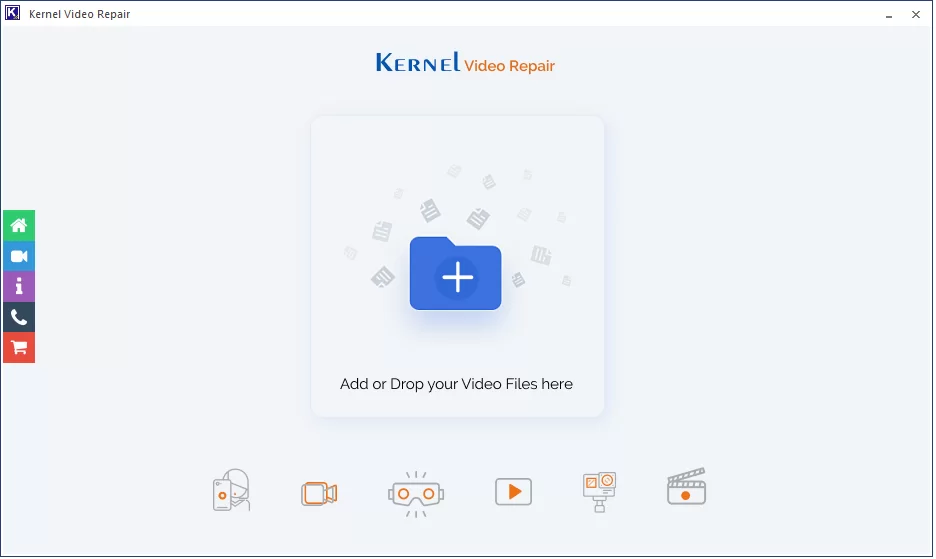
- Start the software from the Application menu and click the + Icon.
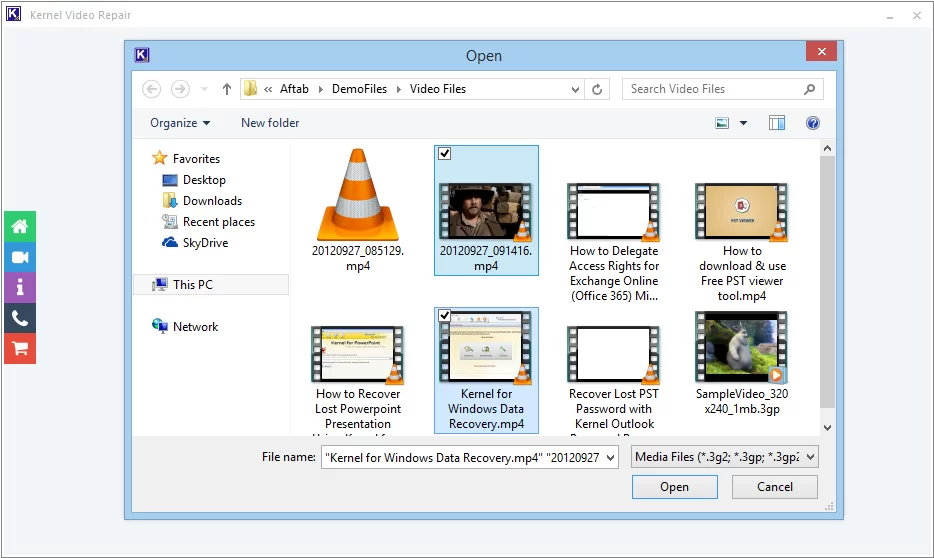
- Select the corrupt video(s) from their saving location. Click Open.
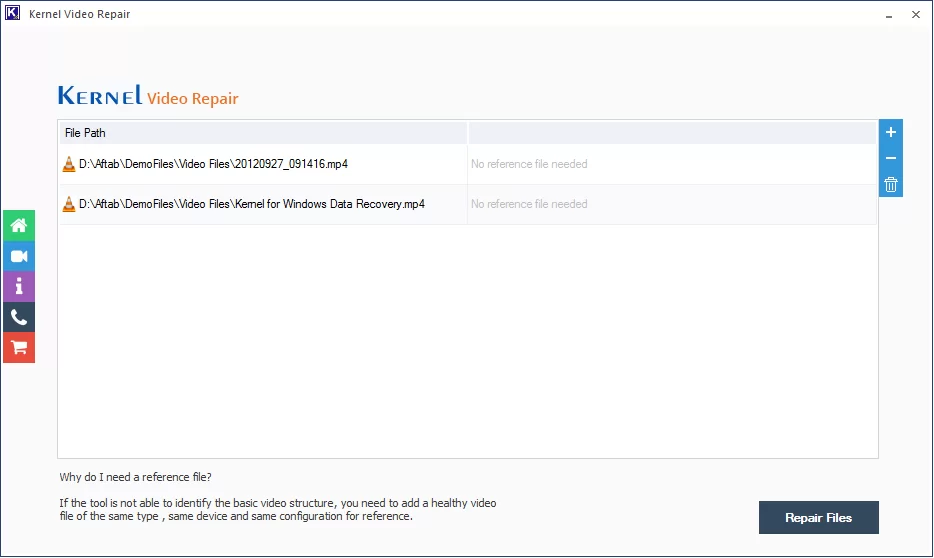
- After selecting the video files, click the Repair Files button.
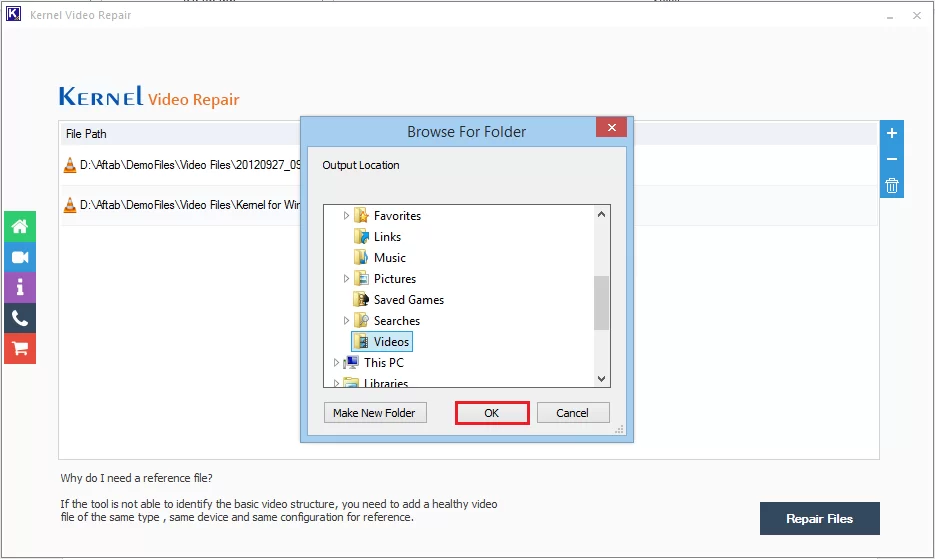
- Browse the destination folder for the video file. Click OK.
- The status of the repair process gets changed to Success after a successful recovery.
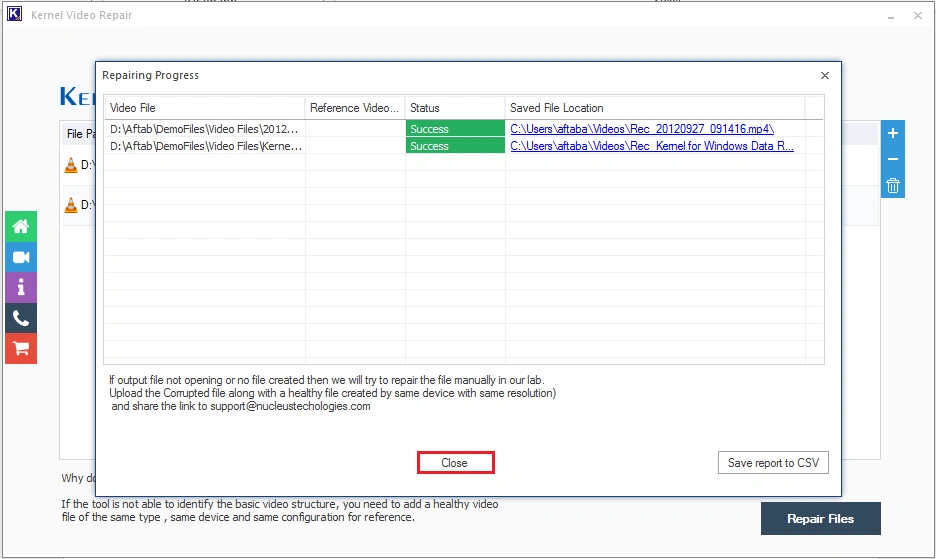
The M4V video file has been repaired successfully; you can now access it via your video player.
Ending Notes
Apple device users frequently face corruption in M4V video files. Although manual methods are enough to fix minor corruption issues, they fall short in case of severe corruption. While there exist several alternative approaches, it is imperative to opt for a solution that guarantees comprehensive recovery of damaged M4V files. In this context, we will discuss software tailored for the restoration of various video file formats, including its capability to fix blurred video files.
People also ask
A. First and foremost, you need to check for DRM restrictions. Sign into Apple TV or iTunes with the ID you purchased the M4V video file. Then check for any DRM restrictions. If that doesn’t solve the issue, convert it to a flexible format like MP4.
A. Yes M4V are different from MP4 files. M4V files are the Apple-exclusive format of the MP4 format. They differ in two ways primarily, first M4V files have DRM protection and second, M4V files aren’t as universally compatible as MP4 files.
A. Unprotected M4V files can be played on Windows with third-party applications, however DRM protected files require Apple software.