Read Time: 7 minutes
Ever searched for duplicate files on your system but you couldn’t find any? They may be hiding in a hidden folder on your system. Hidden folders can contain duplicate documents, media files, or downloads that might not show up if you search for them manually. You can easily search for the files stored in the hidden folder if you have an idea about the location of the hidden folder on your system. In this blog, we’ll talk about the best ways to find duplicate files in hidden folders in your Windows system and how to manage them safely without deleting your important data.
How to find duplicate files in hidden folder? Answer
- First select the locations where you think duplicate files may be stored.
- Make sure that your duplicate file finder is configured to search for hidden files and folders.
- Select the file types you want to search for and start the scan.
- Check the names, location paths, and all the other details available of the duplicate files that are found.
- Manage them as required, either by moving them to a different location or deleting them altogether.
How to Reveal Hidden Folders in Windows Manually?
By default, Windows keeps some files and folders hidden to avoid cluttering the File Explorer. Depending on the Windows version, the search option for hidden files and folders varies. So, we have divided it into two sections – One for older Windows versions and the other for newer Windows versions. Let us know both the processes.
For Windows 7
To find hidden files and folders in Windows 7, go through the steps below:
- Open the File Explorer and click on Organize.
- Select Folder and search options from the drop-down list.
- In the Folder Options dialogue box, open the View tab and go to the Advanced Settings section.
- Select the Show hidden files, folders, and drives option and click OK.
- Now, all the files, folders, and drives are visible on the Windows system.
For Windows 8/8.1
There is a slight difference in the way to locate the hidden files and folders in Windows 8. Let us understand this way too:
- Open the File Explorer on your Windows 8/8.1 system.
- Click on the View menu from the top bar. Click on Options in the last and then click on Change folder and search options.
- It will open the Folder Options dialog box.
- Go to the View tab, and select Show hidden files, folders, and drives under the Hidden files and folders section. Then, click OK.
- The hidden files, folders, and drives are unrevealed now.
For Windows 10/11
The steps to find duplicate files in Windows 10/11 that are stored in hidden are as follows:
- Press Win + E to open File Explorer and go to the View tab.
- Select the folder where you want to look for hidden files and click on Hide selected items option.
- Make sure the Hidden items checkbox is not ticked.
Important note: Revealing hidden files in a folder doesn’t automatically reveal all protected operating system files automatically. Never delete any duplicate file without checking whether it’s actually unnecessary or not.
How to Find Duplicate Files in Hidden Folders Easily?
Finding duplicate files from a large volume of files is quite difficult. We can use the “Search” bar to find the same file types, but that’s not always reliable. We can also find duplicate files by same names but it’s not necessary that files having same names have the same file contents too. A Duplicate File Finder can be helpful in this case to find duplicate files from a large pool of files stored on your system.
Kernel Duplicate File Finder simplifies this process by helping users find duplicate files on their Windows system drives, folders (including hidden folders) and then manage them as per requirements by either moving them to a different location or by deleting them altogether. Here are the steps to find duplicate files in hidden folders using this utility:
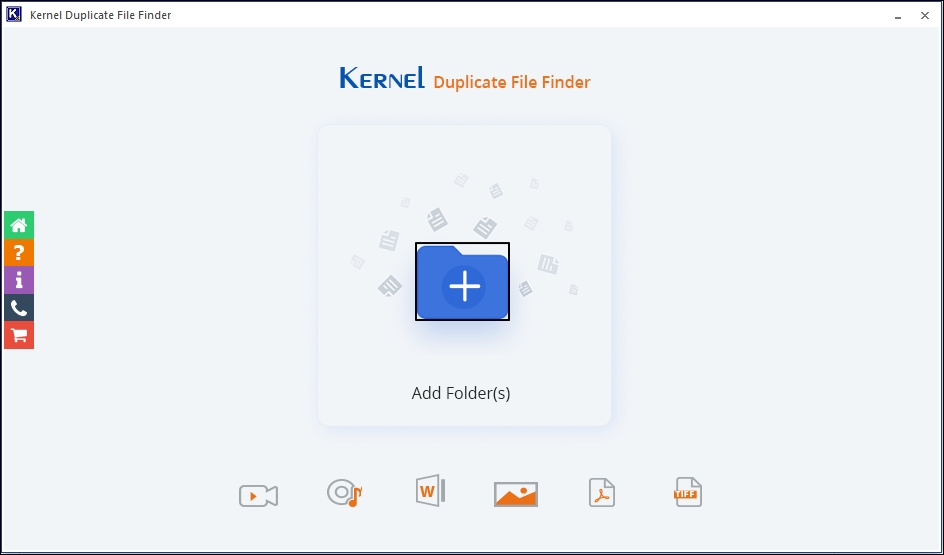
- Launch the Kernel Duplicate File Finder software and click on the Plus icon to add the folders where you think duplicate files are stored.
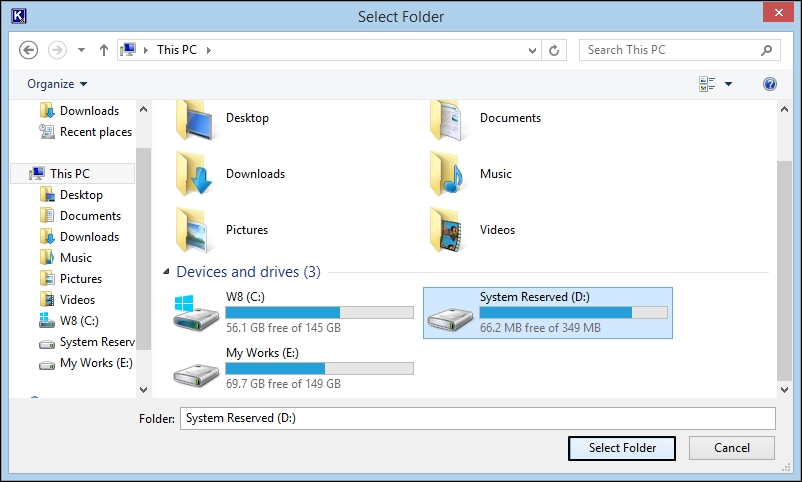
- Browse and add multiple folders (or the entire drives, if required) to the tool to look for duplicate files.
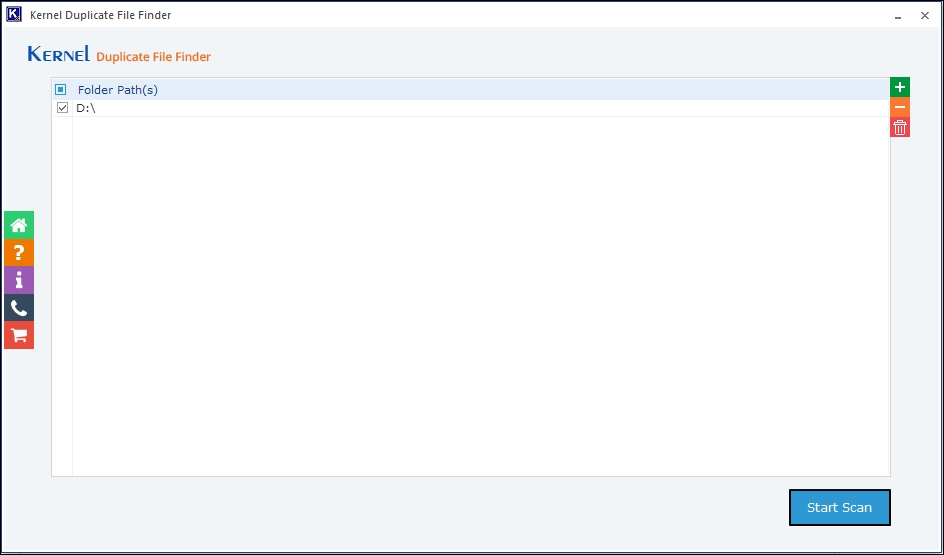
- Click on the Start Scan option to begin the scanning process and find out duplicate files within them.
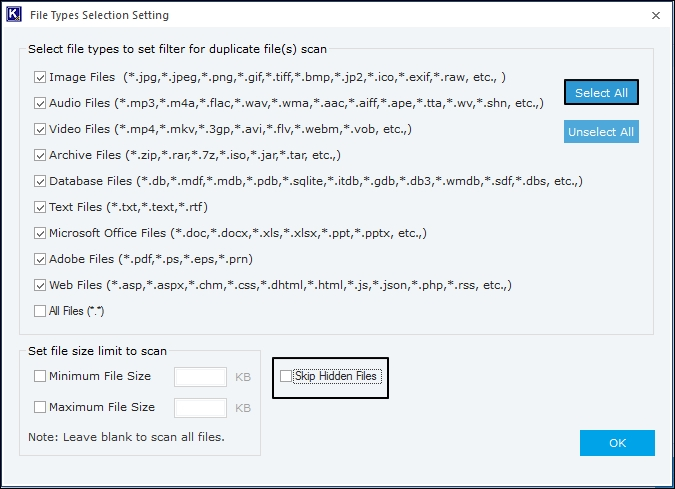
- Select file types to search for specific type of duplicate files in added folders or just click on Select all to look for all kinds of duplicate files. Make sure the Skip hidden file checkbox is not ticked. Click OK to proceed.
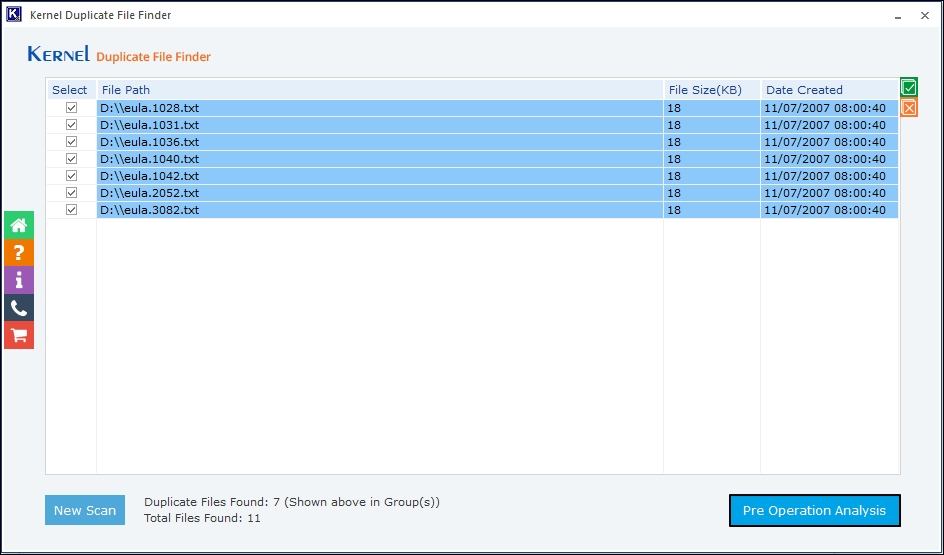
- The scan process will start, and the tool will shortly display all the duplicate files highlighted in a list. Click on Pre-Operation Analysis to move forward.
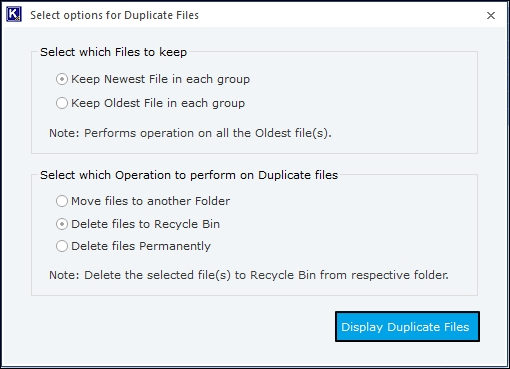
- Choose an option to keep the newest or oldest files in each group and select how you want to manage your duplicate files by either moving them to another folder, deleting files to Recycle Bin, or deleting files permanently. Then, click on the Display Duplicate Files option.
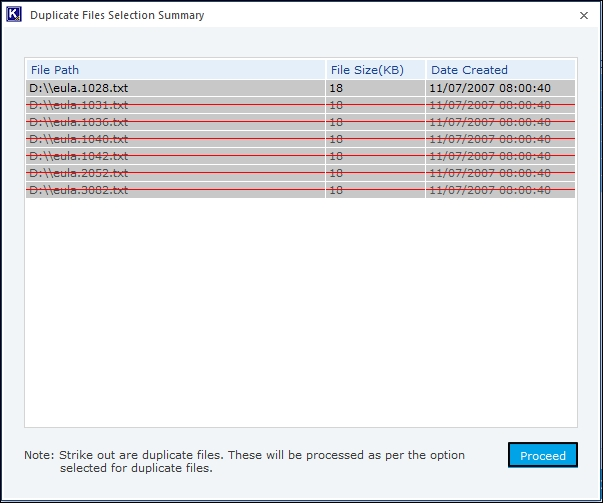
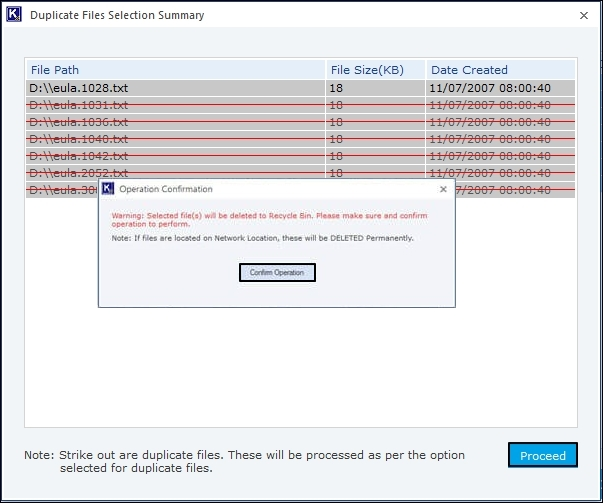
- This screen displays red highlighted and crossed duplicate files. Click Proceed.
- A warning message will be displayed. Click Confirm Operation option to confirm the selected operation.
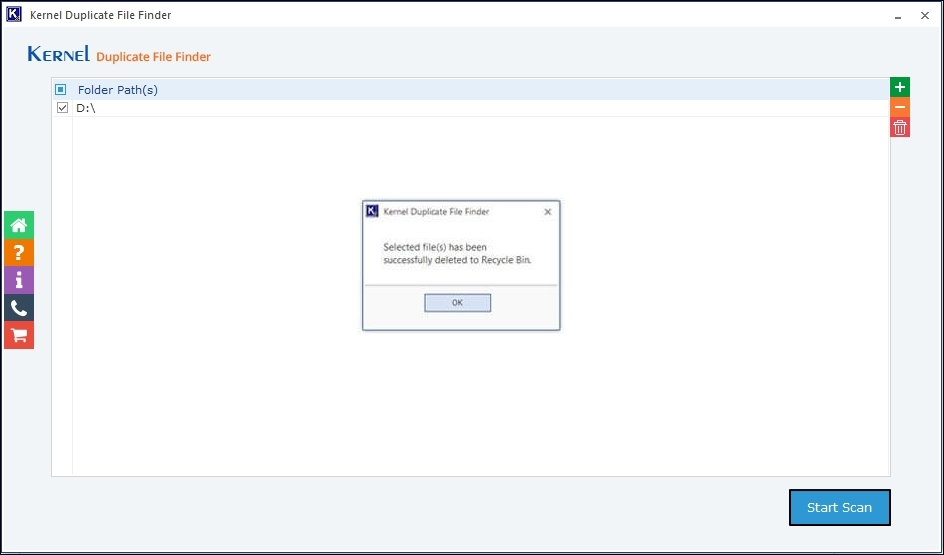
- The duplicate files are managed as per the selected operation successfully.
Conclusion
Searching for duplicate files in your system can be pretty difficult if they’re not readily visible in your File Explorer. There’s a chance some duplicate files might be stored in hidden folders on your system. Moreover, a duplicate file finder can help to quickly scan multiple folders and system drives to look for duplicate files and either moves them or delete them completely. Make sure that you review each file properly before deleting them so that you accidentally don’t delete important files.
Frequently Asked Questions
A. Deleting unnecessary files does free up storage space but it doesn’t necessarily improve system’s performance.
A. There’s no particular harm in deleting duplicate files, however, you must make sure these files are completely unnecessary before removing them from your system.