Read time: 8 minutes
Monitoring user activity in a Windows-based network is crucial to understanding what’s happening in your Windows environment. User activity monitoring ensures the security of information and its compliance with privacy and security regulations.
Windows User Activity Monitoring involves much more than monitoring the network activity. It involves monitoring all types of user activity related to systems, data, applications, and networks, including browsing activity, access to unauthorized or sensitive data, and more.
The objective of any user activity monitoring program must be to find and filter out important information that is valuable in data protection efforts. Implementing effective processes allows you to identify and investigate suspicious activity immediately.
Why is Tracking Windows Computer & User Activity Vital?
Tracking Windows user activity logs can help in detecting if users upload sensitive information to public clouds, use non-approved apps or services, or engage in other types of risky behavior while accessing the organization’s internal network. Some other factors are listed below:
- Security and insider threat detection
- Regulatory compliance
- Employee productivity insights
- Resource optimization
- Time theft prevention
- Supports IT troubleshooting
- Improves accountability
- Data Loss Prevention (DLP)
How to Track User Computer Activity?
Here are the top ways to track Windows computer user activity to secure and protect your computer.
Method 1. Use Windows event viewer
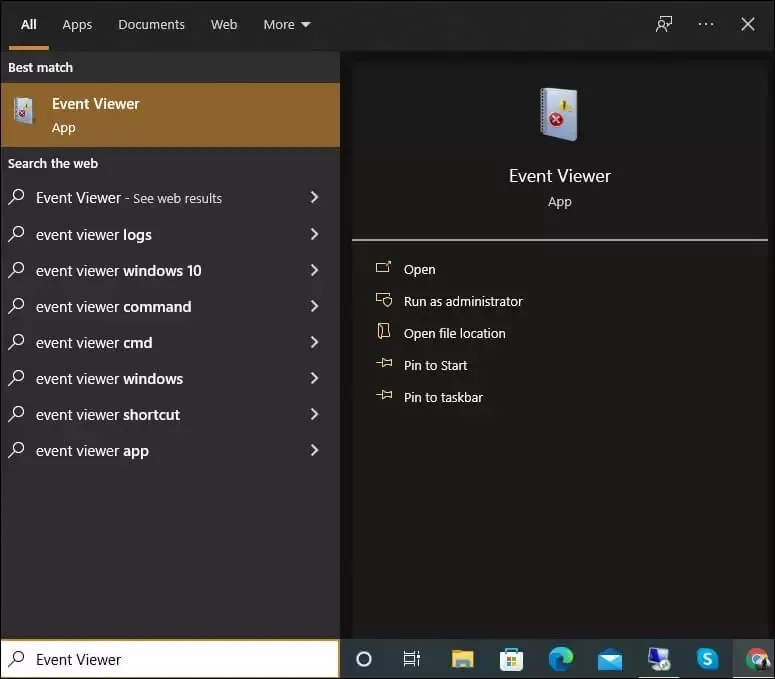
Using the Windows Event Viewer, you can see a detailed log of significant events on your computer. You can view automatic updates, errors, warnings, and more. Here is how to track the user activity via Event Viewer.
- Click on the Search button & type Event Viewer.
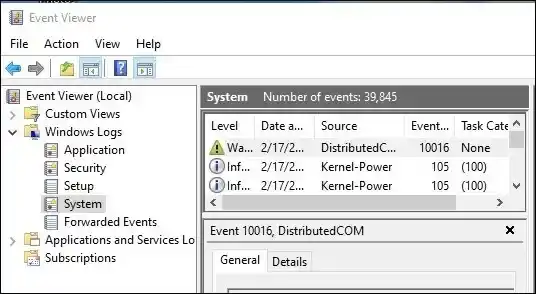
- Open the Event Viewer app and click on the option Windows Logs coming on the left side of the dashboard, then tap on System.
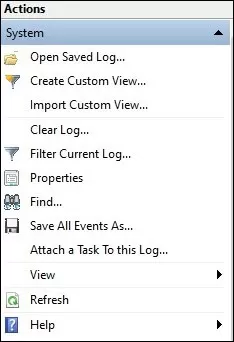
- From the right-side menu “Actions,” click on Filter Current Log.
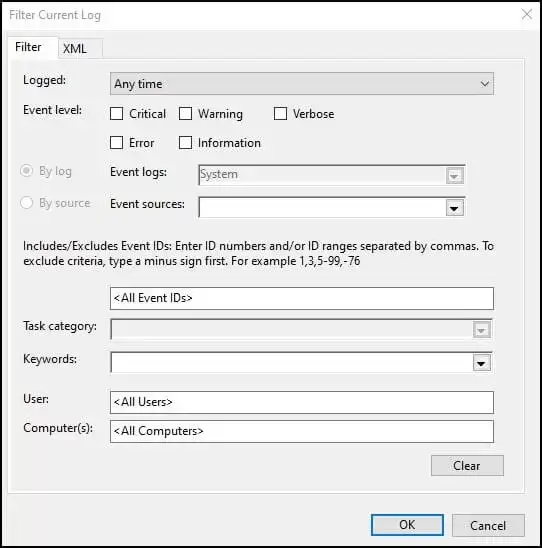
- Next, you can make the modifications as per your requirements and tap on OK.
- You can now monitor the user activity & track your Windows system.
Method 2. Check Web History & Downloads
Deleting Web History is easy, and every smart user can do it quickly. But to keep a check of the history of the visited sites, you can always try to check web history and track the user activity. For this, follow the steps below.
- Access Google Chrome and tap on the three dots appearing on the upper-right side of your screen.
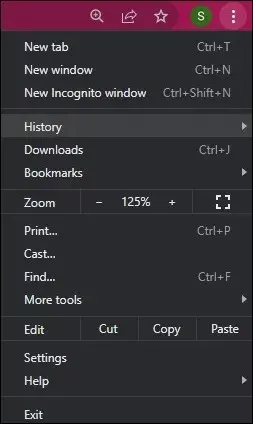
- You can spot the History tab. Tap on it. Here, you will get to see a list of the visited sites.
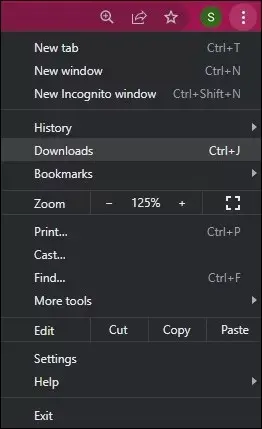
- To track user activity and get a list of online downloads, click on Downloads, and you will get a list of the downloads, allowing you to keep track of the user activity.
Method 3. Use Windows Audit Policy
You can track the user activity and increase your network security in Workgroups by configuring Windows Audit Policy. Follow the steps below to use the Windows Audit Policy for tracking activities in workgroups.
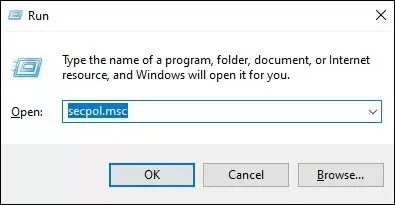
- First, hold the Windows + R keys to access the Run dialog box.
- Type secpol.msc and hit Enter. A Local Security Policy window will open up.
- From the left side menu, tap on Local Policies.
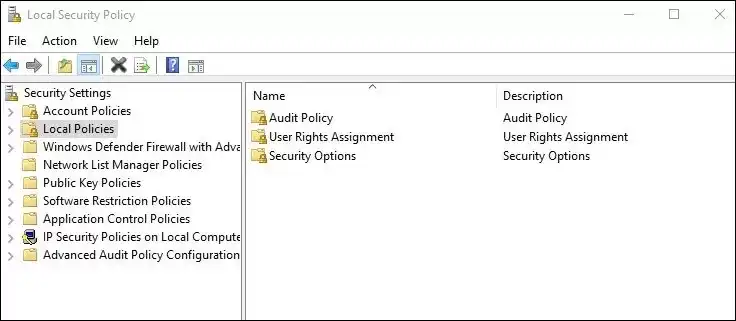
- Click on the option Audit Policy, and it will display many audit entries as “No auditing.”
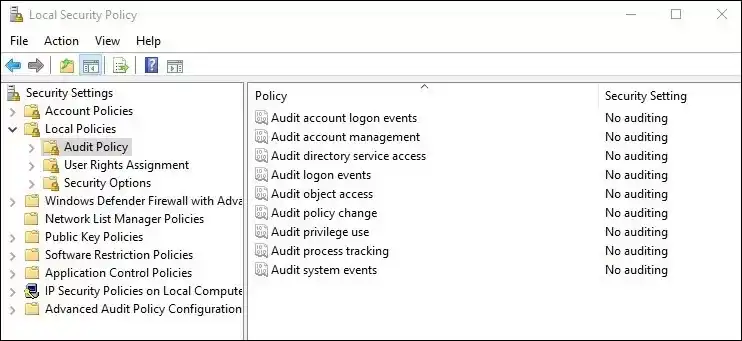
- Tap on the first entry and checkmark the Success & Failure box within the audit these attempts section.
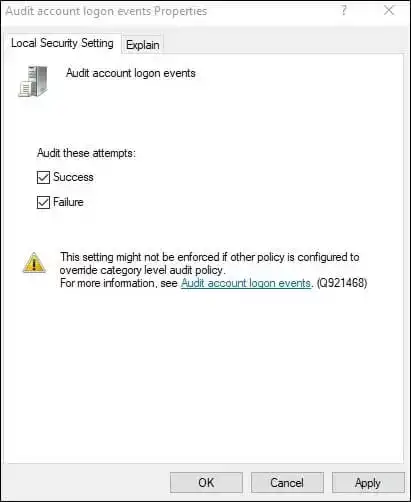
- Click on Apply and then OK.
- Repeat the above steps for all the remaining audit entries in the list and track the user activity in workgroups.
Method 4. Track System Activity History in Windows 10
For Windows 10, there is an advanced option that helps you keep track of browsing history, location data, usage of apps and services. Read the steps below.
- Tap on the Search option & type Settings.
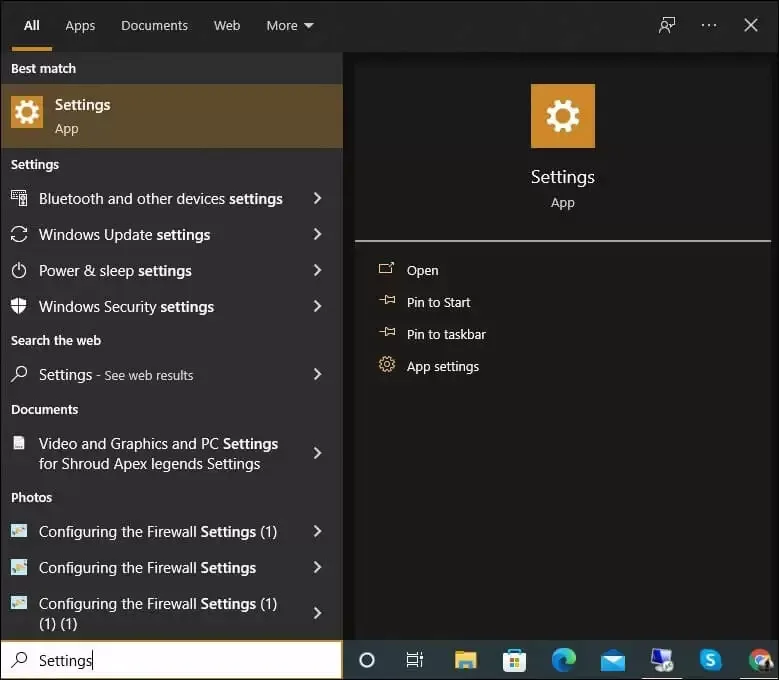
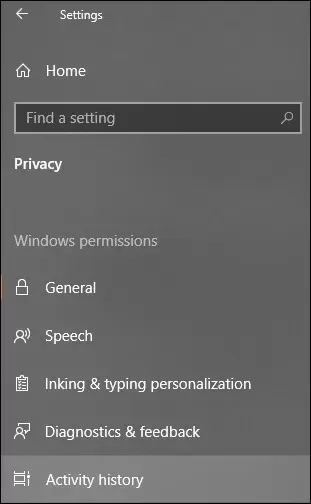
- From the Settings menu, scroll down and tap on the option Privacy.
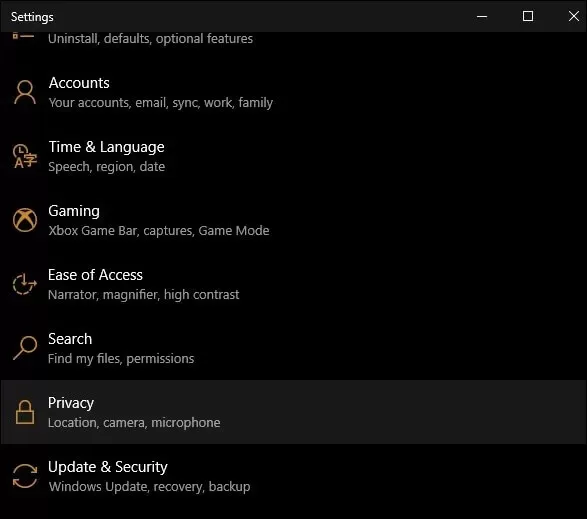
- From the left side menu, click on Activity History.
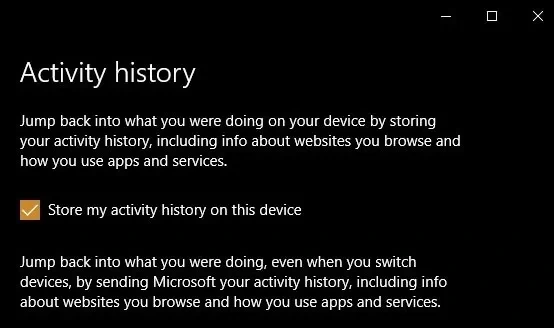
- You need to checkmark the option to store your activity history on this device. Now, you can see all the collected data classified in various categories like browsing history, location data, etc.
Note: You can also delete the activity history in one go. Under the Activity History tab, click on Clear.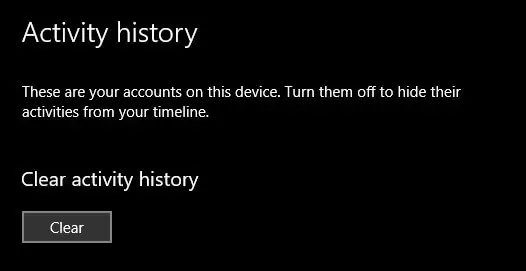
Method 5. Using PowerShell to Query Login History
You can also use PowerShell to query login history. Here are the steps to do it:
- Open PowerShell as administrator.
- Run the following command to view recent logon events.
Note: To check failed logon attempts replace 4624 with 4625.
In this way, you can review the output for timestamps, account names, and logon types.
Method 6. Monitoring Active Processes via Task Manager
Organizations can track Windows computer user activity processes using Task Manager. Here is how to do it:
- Press Ctrl+Shift+Esc keys on your keyboard to open Task Manager.
- In the Processes tab, see current running applications.
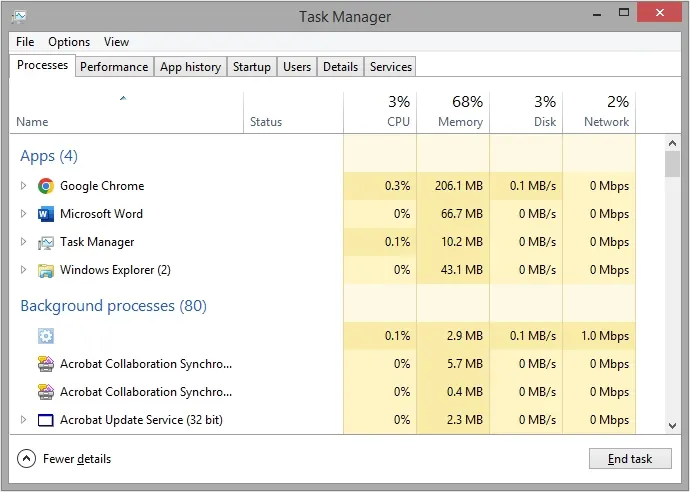
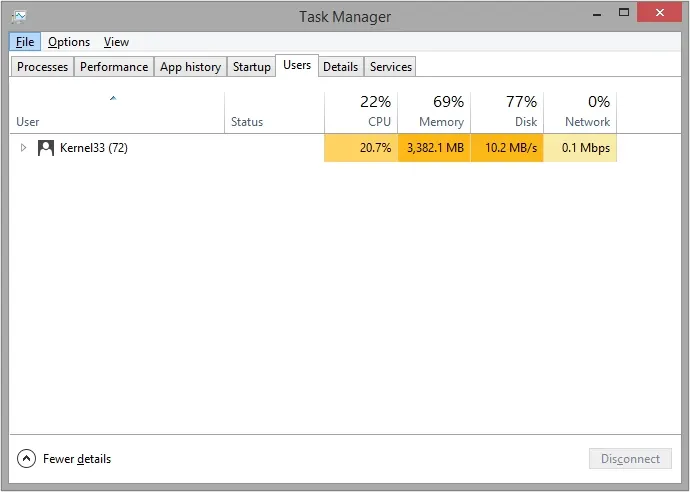
- Navigate to the Users tab and see activity per logged-in user.
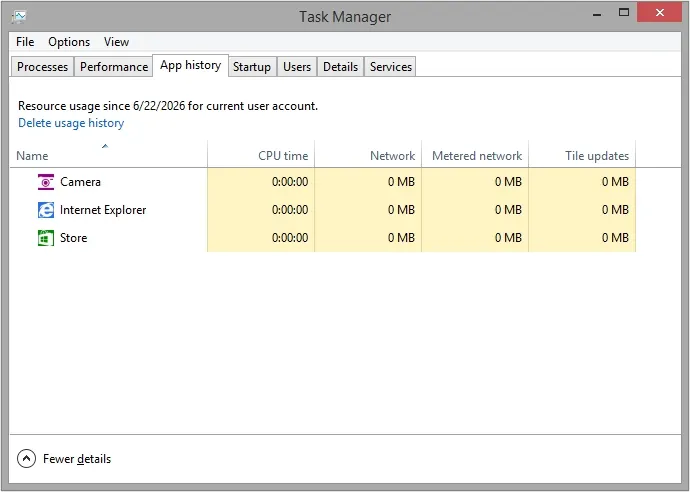
- Tap on App History to see resource usage by application over time.
Best Practices for Ethical and Legal Windows User Activity Monitoring
Native methods have complexities in performing them. Kernel Employee Desktop Live Viewer tool. This tool tracks an unlimited number of computers in real-time and discreetly performs stealth monitoring. Also, the software can keep track of all the internet activities like browsing history, pages visited, and even applications launched along with time and application name.
With unified log recording,real time desktop monitoring, unique tracking ability, accessed Applications reports, invisible screenshots, and more, this tool is compatible with all versions of Windows. Along with a complete listing of all emails accessed without using SSL, this software also provides the date, time, subject, and attachment of the particular email.
Bottom Line
This blog covers all the aspects related to Windows user activity monitoring. We hope all our above methods will help you to monitor user activity. As per our recommendation, it is advisable to use the employee monitoring tool. This tool has a user-friendly interface and comes with a demo version. Download the tool, install it, and track the system activities effectively.