Read time: 12 minutes
Wiping data is different from deleting it. Your goal is not to just create space for new data items but remove the files in such a way that makes the recovery impossible. And for that, you need to try a different method than a simple delete function. Luckily, Windows gives you multiple reliable native methods to completely wipe hard drive without deleting Windows files itself. You can do it either using the Windows Command Prompt to run commands like cipher, format, or try the command line tool, diskpart. Also, to get a complete Windows refresh (like a brand-new OS), you can use the ‘Reset this PC’ feature.
Things to do before you wipe hard drive without deleting Windows
Wiping a hard drive is irreversible. So, to avoid any regrets, make sure you do the following:
Complete Data Backup
Once you wipe the data, nothing is coming back. Make sure every important data item is safely backed up and stored on another system or drive (not connected to your current system). But if the data is useless, you can skip the backup.
Sync your Browser Data
I literally lost all my saved bookmarks because I was not syncing them with my email. Make sure your passwords, login info, addresses, payment methods, bookmarks, etc., data are properly synced so you don’t have to add them again after the data cleaning.
Generate a Recovery Key
If you are using any desktop authentication application, such as the Microsoft Authenticator app, for secure account login. Then, generate backup recovery codes and save them. Because after formatting data, you will lose access to the authenticator app, making account login impossible.
Keep the Encryption
Some sites suggest removing encryption as it hinders data wiping. Don’t do it. Formatting an encrypted hard drive makes data recovery impossible by deleting the encryption key. However, in case you are having trouble accessing or moving the drive, temporarily disable encryption. But later, encrypt the data again.
Stable Power Supply
Any interruption during hard drive wipe can corrupt the entire hard drive, even the Windows file. If you are wiping a laptop, make sure it is connected to the charger or if you are using a computer, use a UPS to wipe hard drive without deleting Windows.
Remove Secondary Storage
If any USB or secondary hard drives are connected to your system, remove them to avoid formatting them in the process. However, if you want them to be wiped, leave them as they are and make sure Windows can read and access them properly.
Best method to wipe hard drive for different conditions
Quickly find the solutions that work best as per your situation:
| Conditions | Method | Reason |
|---|---|---|
| Wipe or format c drive without deleting Windows | Create a new admin account and delete old user profile and personal data. Then run the cipher cmdlet with “w” switch | Keep your Windows configurations with installed apps and wipe hard drive without deleting Windows files |
| Wipe PC and sell it | Reset This PC option | Reinstalls a clean OS and wipe the complete drive |
| Wiping external hard drive | Format command and diskpart | Free native tools that delete data with multiple passes and make recovery difficult |
| Specific file or folder wipe | Professional file shredder tool | Manually deleting specific data and then filling it with zero and one is time taking. Dedicated tools are precise and saves time |
| Wiping Solid State Drives (SSD) | Manufacturer specialized data erasing tools | Formatting SSDs with multiple passes method will wear and tear them. It shortens their life span |
Methods to wipe a hard drive without deleting Windows 11, 10
Since you do not want to delete Windows, one thing is certain. No touching Windows C drive or the drive holding your Windows OS files, unless you want a Windows reinstallation. Generally, there are two scenarios when you need to wipe a hard disk, and we will discuss them both.
Note: The methods below are best for hard disks only. In case you have SSDs installed, I suggest only using your manufacturer’s specialized erasing tools.
Scenario 1: You want to retain apps and Windows configurations
This will take time and require manual selection of files for deletion. A better alternative for this, and the one I use in such a situation, is to create a second admin account. And from the second account, delete the complete user profile of the old account. This way, you can wipe data from your folders like Documents, Downloads, Pictures, Videos, or a custom folder you created, and even hidden folders like the AppData folder, etc., in a single delete command, saving you hours of manual labor.
Additionally, if you have multiple partitions of your hard drive, delete data from other drives too, but only if you have backed them up. After deleting the data, use the Cipher command with “w” switch to rewrite the empty spaces created after file deletion to make it impossible to recover data from the free space.
- Open the command prompt as administrator.
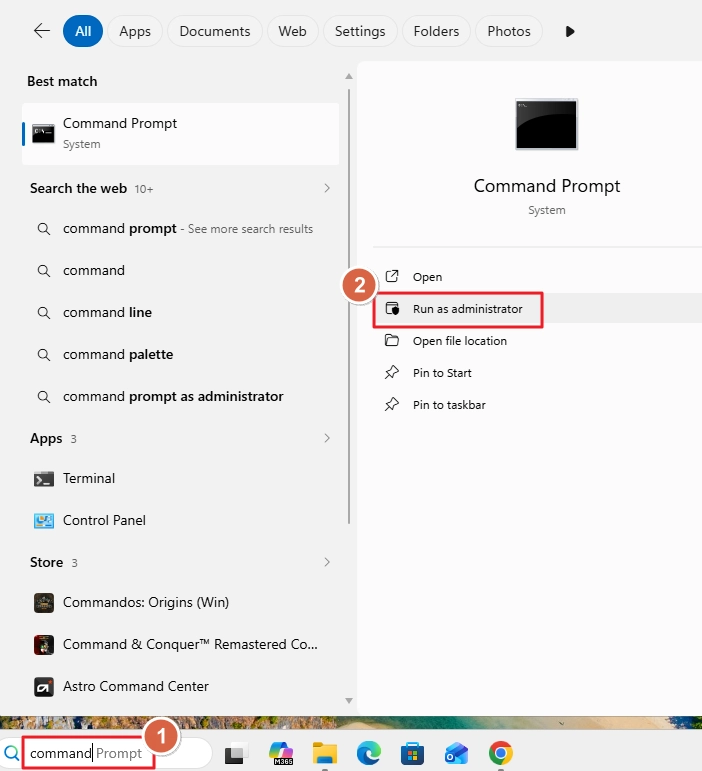
- Run this command:
cipher /w: <Drive letter>:
- And press Enter.
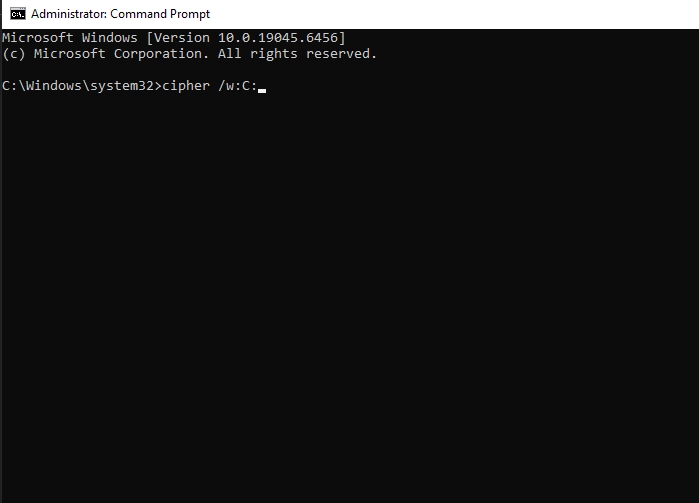
The command will wipe hard drive without deleting Windows software and settings.
Note: In case your hard drive has multiple partitions, re-run the above process for every drive from which you want to wipe the data.
Scenario 2: Delete everything, including your personal files, installed applications, and Windows configurations
In this case, our goal is to get a new system. Just like you have when you first install Windows. The fastest way to achieve this is to use the Reset this PC option under System Recovery. It’s the most straightforward way to format the C drive without deleting Windows boot files, but everything except that. The steps to wipe a hard drive are:
Step 1: Press Win Logo key + I to open Windows Settings. Then, select System > Recovery.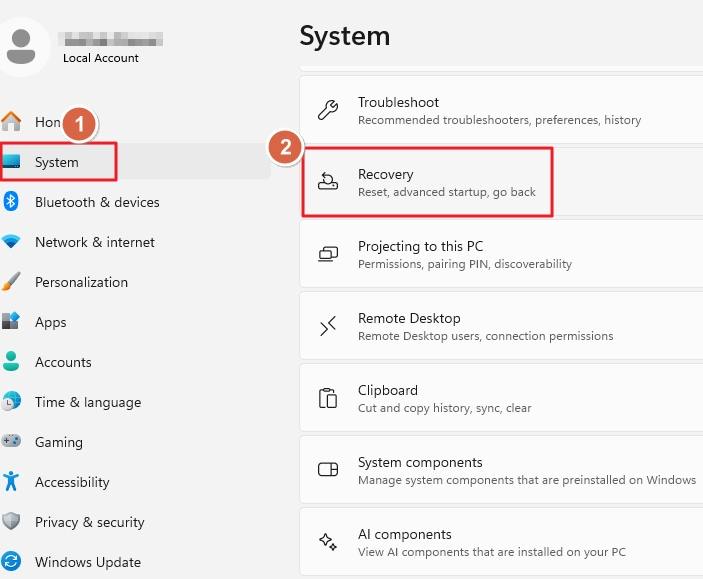
Step 2: Under the Recovery options, click Reset PC.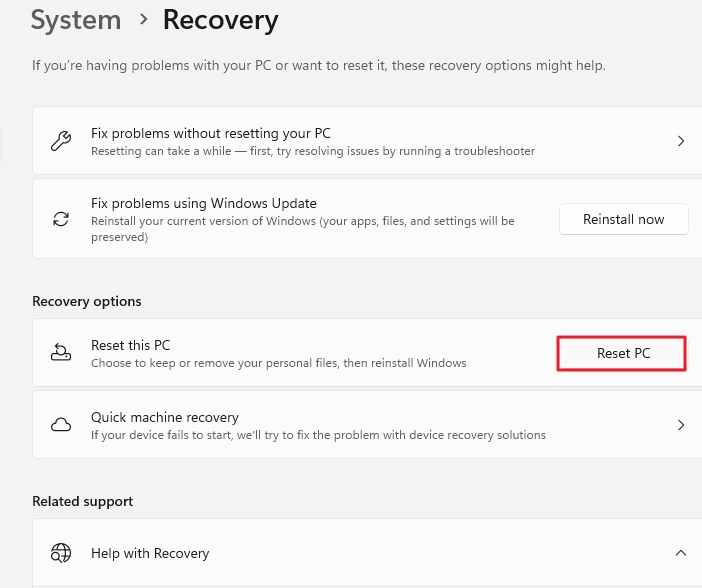
Step 3: Select Remove everything option.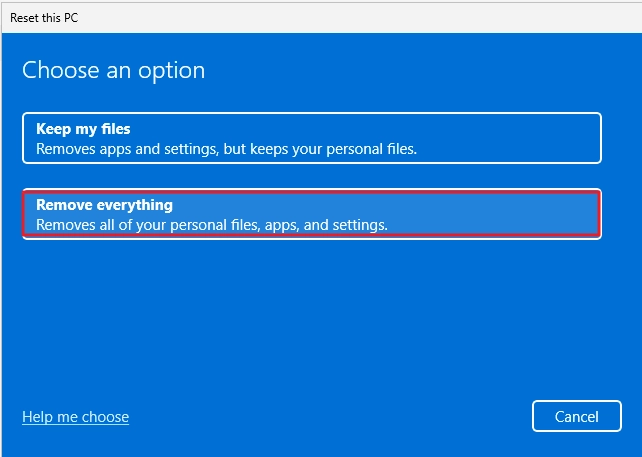
Step 4: Select the Local reinstall option.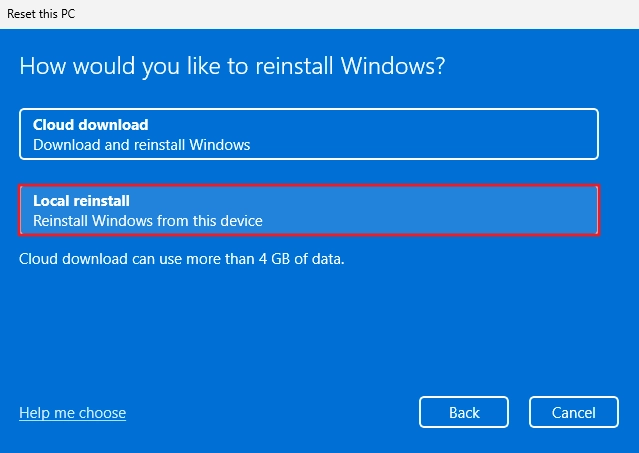
Step 5: Click Change settings.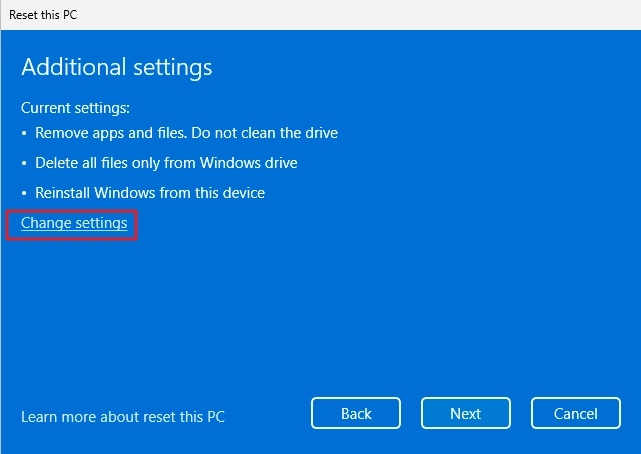
Step 6: Click on the toggle button for the Clean data and Delete files from all drives option. And Confirm.
Warning: Only select ‘Delete files from all drives’ if you want to wipe every internal drive in your PC. If you have a secondary drive with backups, leave this toggled OFF.”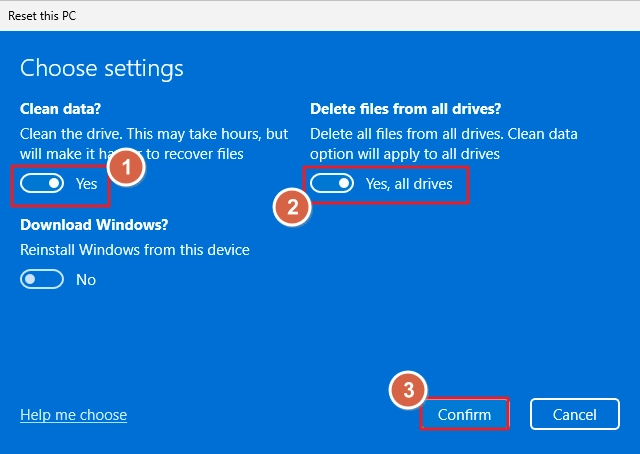
Step 7: Click Next.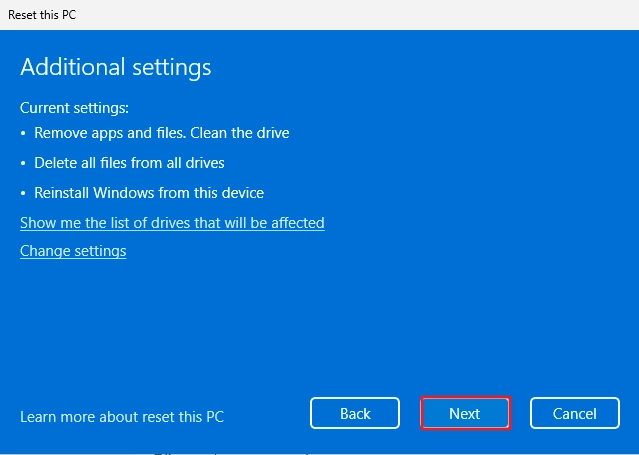
Step 8: Click the Reset button to wipe hard drive in Windows 11.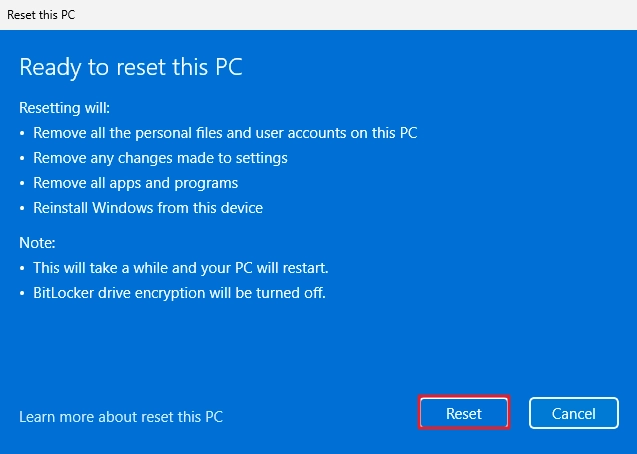
How to wipe external hard drives?
To safely wipe any external hard drive or USB drive, you can either use the Windows Command Prompt or a professional file shredder tool.
Method 1: Using Command Prompt with the format switch
Windows Command Prompt allows complete manipulation of all connected system drives and their partition. You can use the format command with the “p” switch to wipe any disk on your laptop or PC with these steps:
Step 1: Search for “command prompt” and run it as administrator.
Step 2: Type the below command and press Enter.
format <drive letter>: /fs:<drive-partition-type> /p:<number-of-passes>
Note: Pick a small value for number of passes, at most 2.
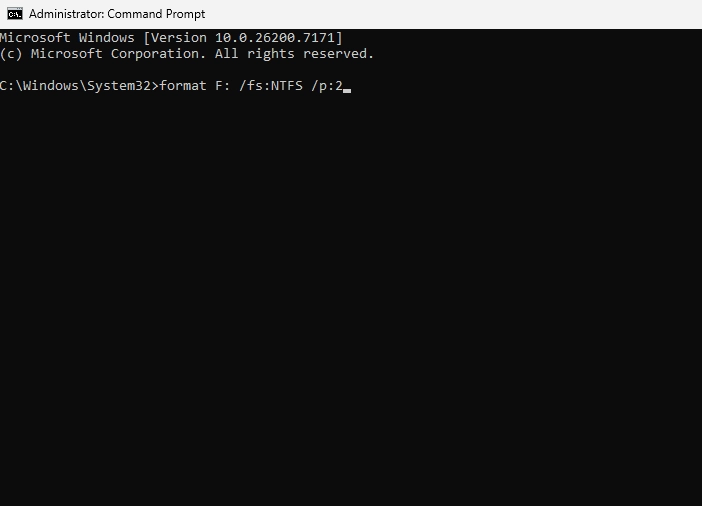
Step 3: It will ask for confirmation. Confirm it and press Enter to start wiping the data.
The above command will format the selected drive and replace all the data bits with zeros, making the recovery of deleted Windows data very difficult. Repeat the above steps to format all the drives one by one.
Method 2: Wipe hard disk with diskpart clean all
Diskpart is a storage management command-line tool that comes pre-installed in Windows. You can format or wipe a hard drive using it. The steps to use it are:
Step 1: Open the command prompt as admin. Type “diskpart” and press Enter.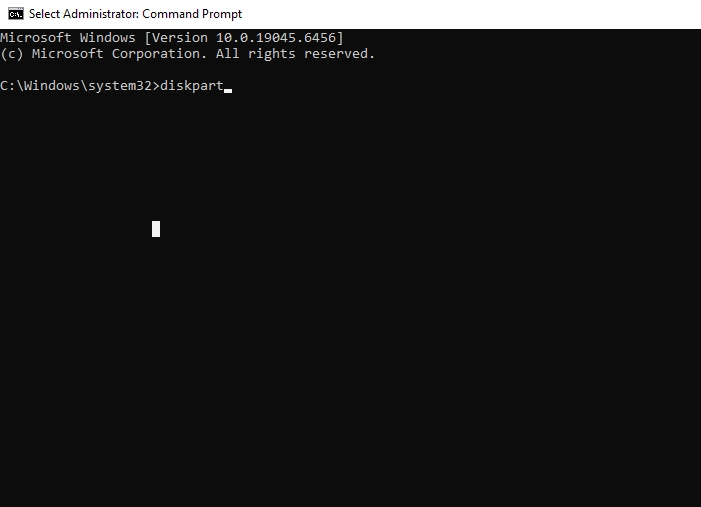
Step 2: Type “list disk” to list all the connected drives or partitions to your system.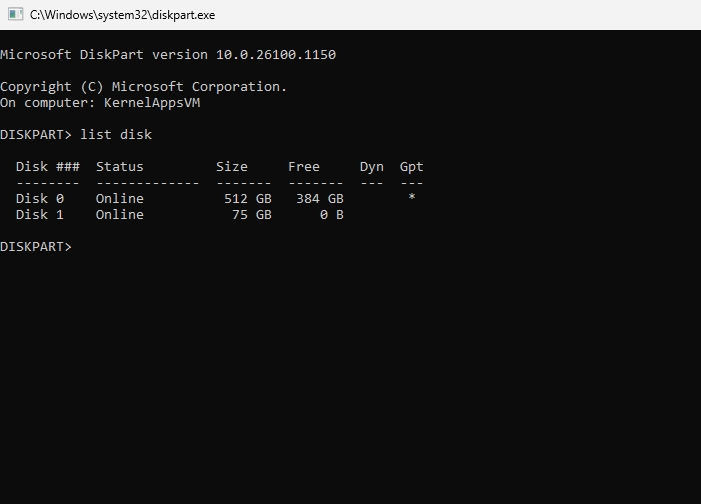
Step 3: To select a disk, type “select disk <disk-number>” and press Enter.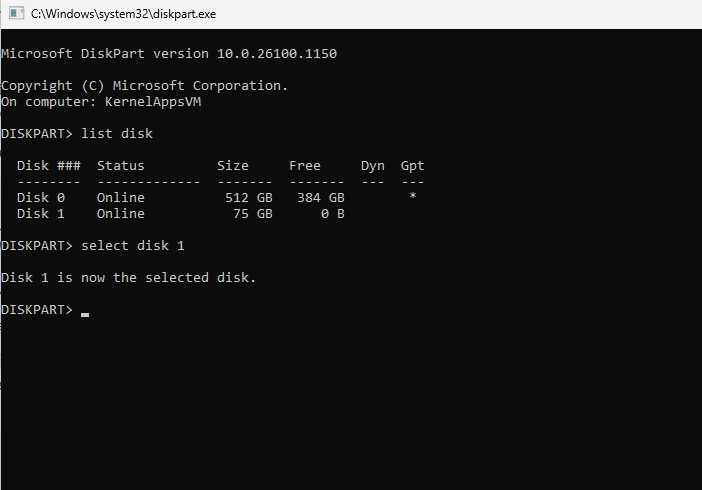
Step 4: Type “clean all” and press Enter to start data wipe.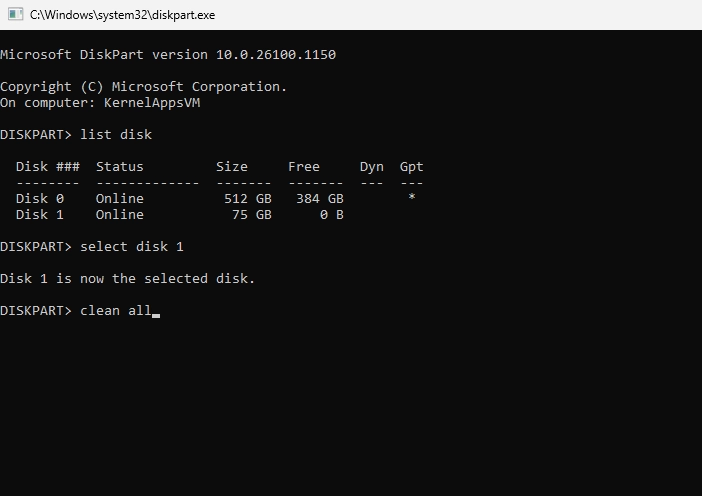
Step 5: When the wiping is done, you will get the success message.
When to use a professional file shredding tool?
The native methods are effective, but they are like deleting all or nothing type of solution. I recommend using an advanced file shredder software when you want precise deletion of confidential data like bank transactions, passwords to your account, etc. Moreover, if you are going to donate or sell your system after wiping, then also using a professional tool guarantees no data recovery, even with a forensic recovery tool.
The powerful data-destructive algorithms of Kernel File Shredder tool make it better than other Windows built-in shredding methods. You can shred specific files or folders, permanently delete files from recycle bin, and Windows temporary files. Furthermore, the tool also allows you to shred multiple hard drive simultaneously beyond recovery.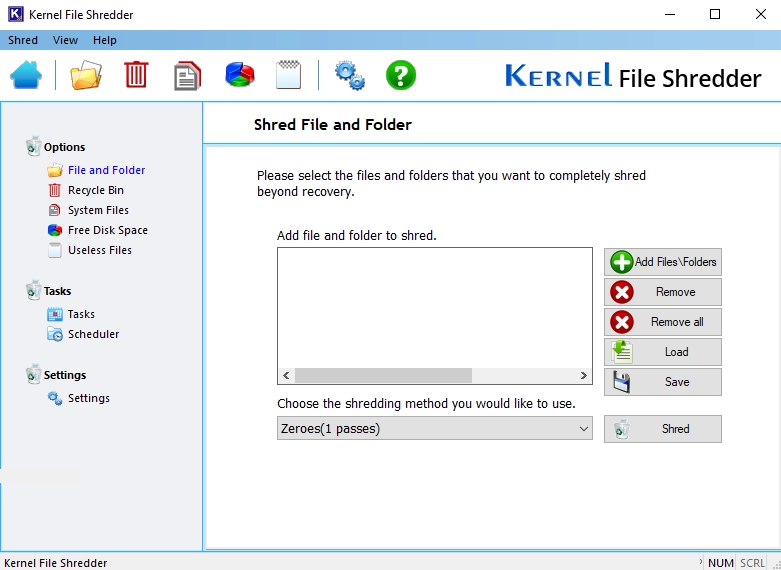
What to do after wiping the hard drive?
After wiping your hard drive, perform these steps:
- Sign in with your Microsoft account if you logged out before. And update Windows to the latest version.
- When you wipe hard drive without deleting Windows, it destroys the folder (Documents, Downloads, etc.) mapping to the hard drive. Reconfigure them.
- Check the health of the disk drives and perform defragmentation if required.
- Verify if all the disk drives are accessible. If any drive is unallocated, fix it using the Disk Management tool.
Conclusion
When you need to wipe hard disk without deleting Windows, things get a little tricky. Choose the method discussed above that best fits your needs. Make sure you have backed up the critical data and passwords before you format the hard disk. However, if you are planning to sell the system after formatting, or you only want to wipe out specific folders or files, use the recommended Kernel File Shredder.
Frequently Asked Questions
A. Use the following steps to extend your hard drive size:
1. Right-click the Start button and select the Disk Management option.
2. Right-click the volume next to the volume you want to extend.
3. Select Delete Volume, and complete the steps to format the volume.
4. Now, right-click the volume you want to extend and click Extend Volume and complete the process.
A. For this, you must use a bootable USB drive. Alternatively, you can connect your hard disk to another PC and use the diskpart, or find a professional file eraser tool to wipe the hard disk with Windows.


![Does Formatting a Hard Drive Delete All Data? [Explained]](https://www.nucleustechnologies.com/blog/wp-content/uploads/2022/06/900x416-8-16.jpg)