Read time: 9 minutes
Easy fixes to resolve Chrome not playing embedded videos error:
- Update Chrome to the latest version.
- Try playing the video in another browser.
- Clear accumulated cache and cookies.
- Enable JavaScript in Google Chrome.
- Turn off hardware acceleration.
- Disable third-party add-ins.
Many websites have videos embedded in them that usually start playing as soon as the website opens; it’s that simple. Yet sometimes, Chrome can’t play videos because of one reason or another. Now, it can either be a browser specific issue, or it can be something more serious like video file corruption. To understand the main reason behind this issue, we’ll be covering some common causes of this error. After that, we’ll also talk about easy troubleshooting tips to fix the Chrome not playing embedded videos error.
Why is Chrome not playing embedded videos?
Generally, the failure of Chrome to play embedded video is a common issue that almost every user faces. Here are some of the major causes listed below:
- Outdated Chrome browser.
- Conflicts with the computer’s hardware acceleration.
- Disabled JavaScript or misconfigured Chrome settings.
- Incompatible add-ins
- Damaged/Corrupted video files
- Outdated/corrupt cache and cookies.
- Issue with the system’s graphics drivers.
Now that we know the reasons for this error, we’ll discuss some effective troubleshooting tips to fix the embedded videos not playing on Chrome problem.
How to fix embedded videos not playing in Google Chrome?
However, resolving the above issue isn’t difficult; identifying the root cause might be challenging. So, below are some effective methods that will surely resolve the embedded videos not playing in Google Chrome issue effectively.
Method 1. Update Google Chrome
Google Chrome is available on Windows, iOS, Android, and macOS devices. If the web page opens comfortably on any device but shows issues on others, you should update Google Chrome.
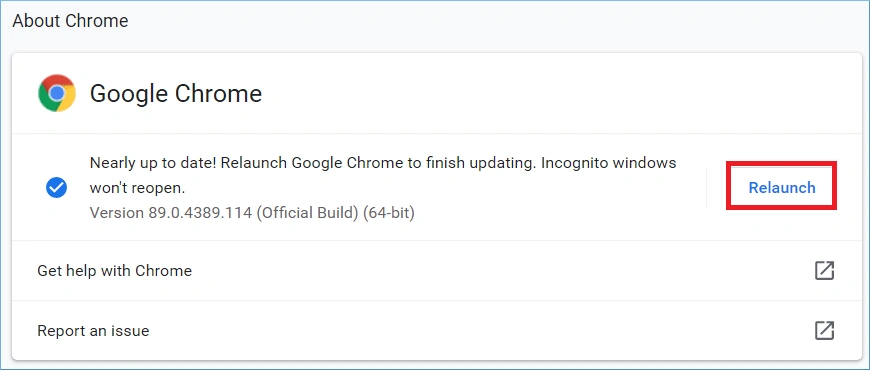
- Open Google Chrome and click the three vertical dots, choose Help, then click on About Google Chrome.
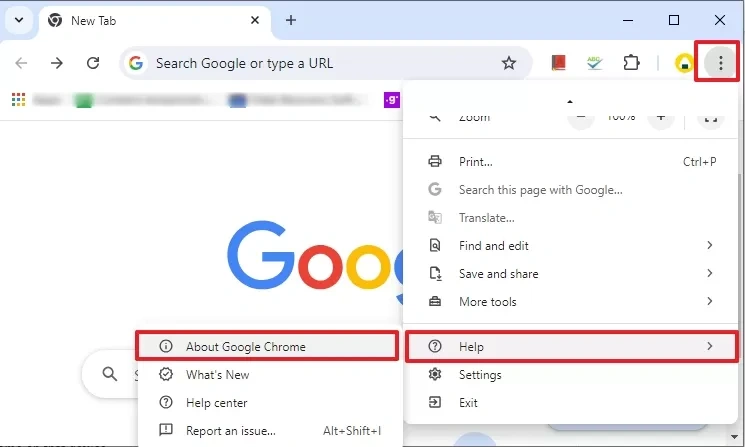
- If there is an option to Update Google Chrome, then click to open it.
- Google Chrome will start to upgrade.
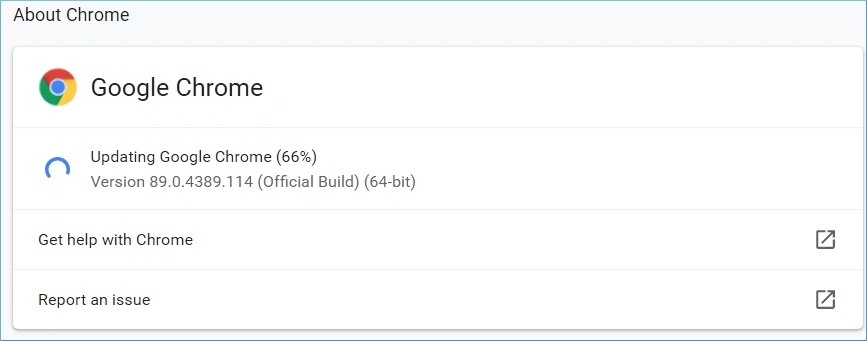
- After upgrading Chrome, you will need to relaunch the application. Click the Relaunch button.
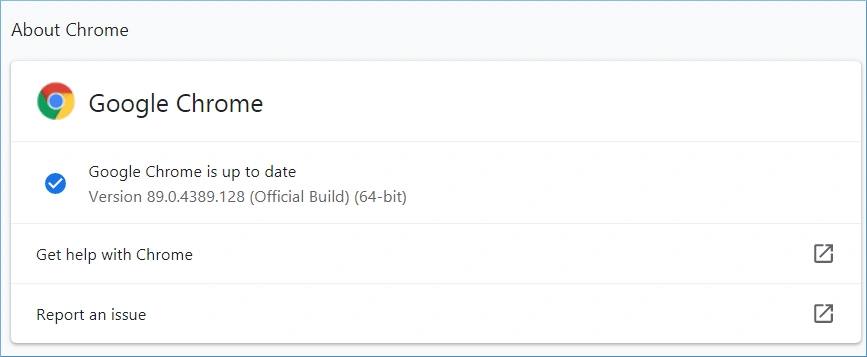
- Google Chrome is up-to-date, and you can play the video again.
Method 2. Disable Hardware Acceleration
Hardware Acceleration is present in the Advanced Settings of Google Chrome. This setting can offload some webpage properties and reduce the computer’s CPU burden. It is supposed to increase Chrome’s performance and download the page faster, but many users have complained that it causes issues in Google Chrome, so you should disable it.
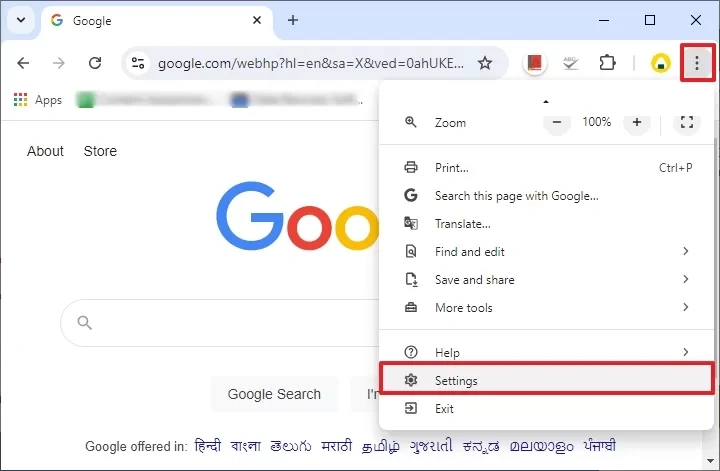
- Open Google Chrome, click on three dots, choose Settings, and go to the System tab.
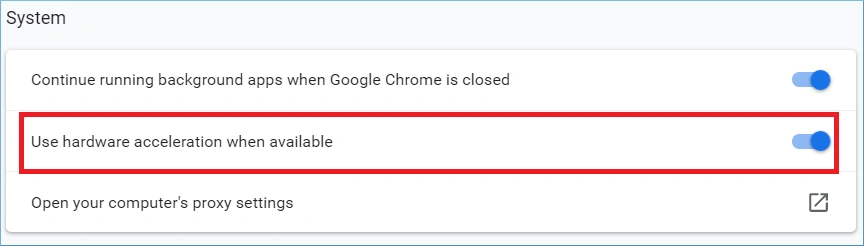
- An option to use hardware acceleration is enabled when available. Move the toggle to disable it.
Method 3. Enable JavaScript
JavaScript is the built-in extension that runs the animated parts of video, such as videos, sounds, flash, etc. If this is disabled, the video will not play in the browser. So, you should enable it as soon as the video declines to play in it.
- Open Google Chrome, click on three dots, and then choose Settings.
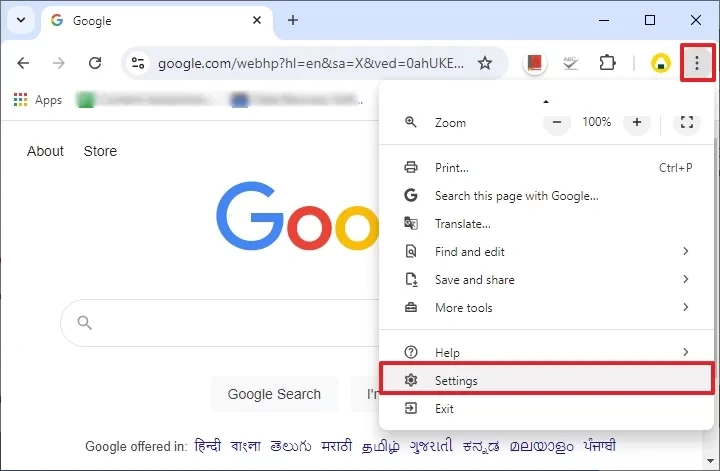
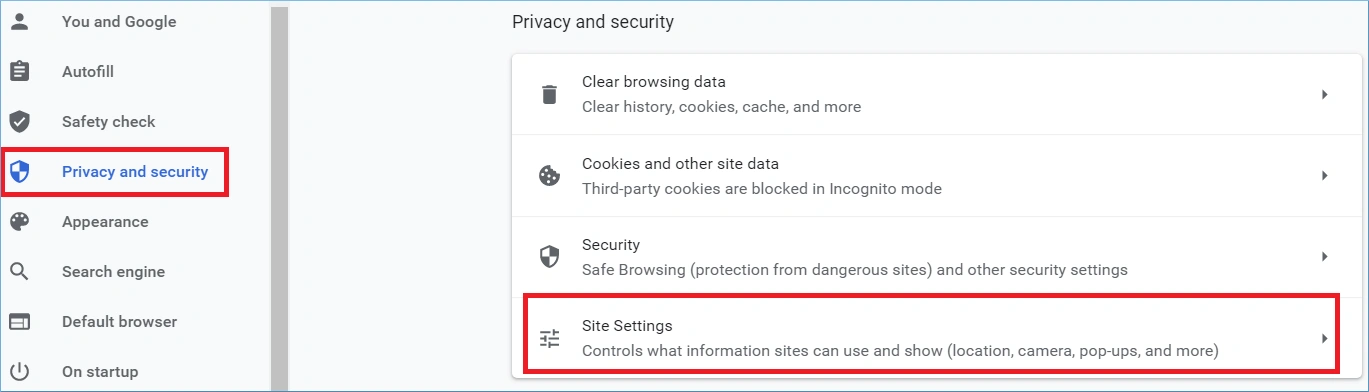
- Go to the Privacy and Security category and open Site Settings.
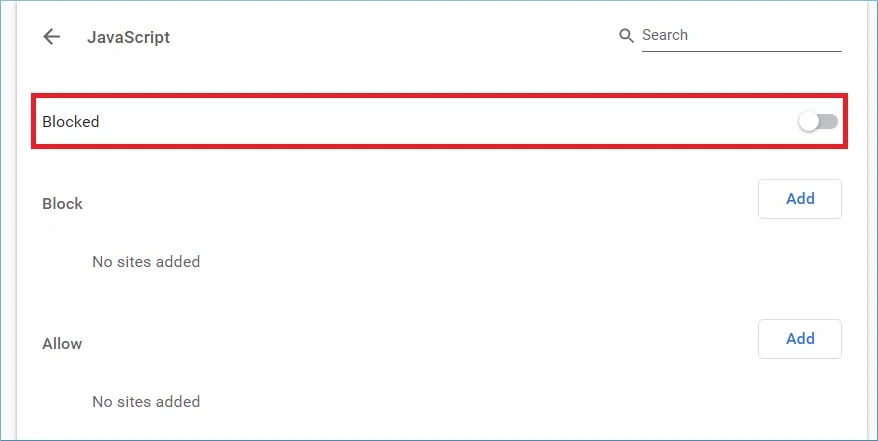
- If JavaScript is disabled, then you should enable it.
- Relaunch Chrome and play the video again.
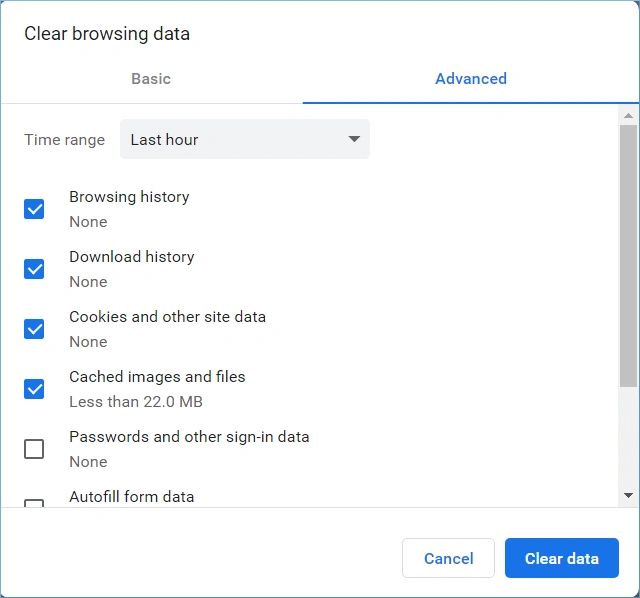
Method 4. Delete Cache and Cookies
Cache and cookies are the temporary files stored in Chrome each time you open a webpage. When these files increase in size, they start to affect the page’s speed. So, you should delete the cache and cookies and make the web browser more agile.
- Open Chrome, click on three dots, and choose Settings.
- Go to the Privacy and Settings category and click Clear Browsing Data.
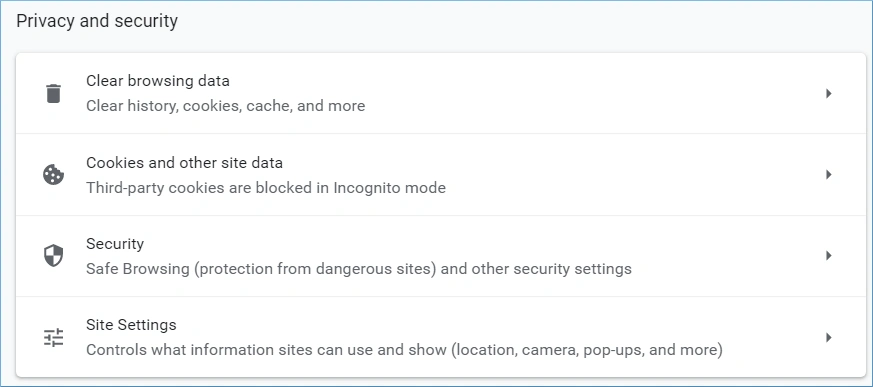
- Go to the Advanced tab and check all the options there, then click Clear Data.
Method 5. Reset the Google Chrome settings
Google Chrome has many settings, and maybe one of the smaller settings may affect video playability. Resetting the whole Google Chrome settings will reset the settings to their default value again.
- Open Google Chrome, click three dots, and choose Settings.
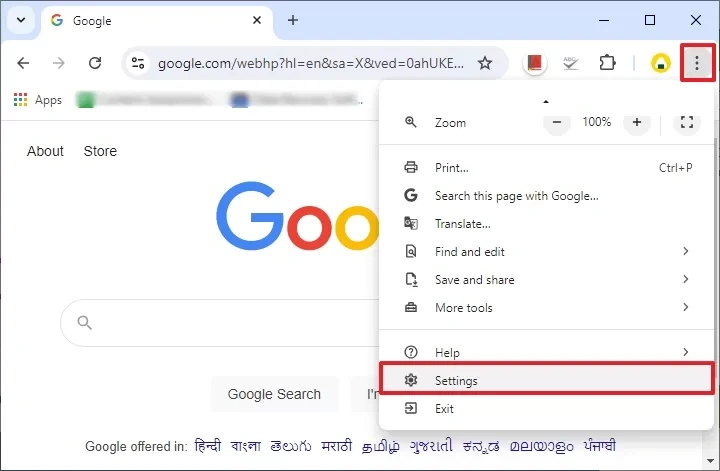
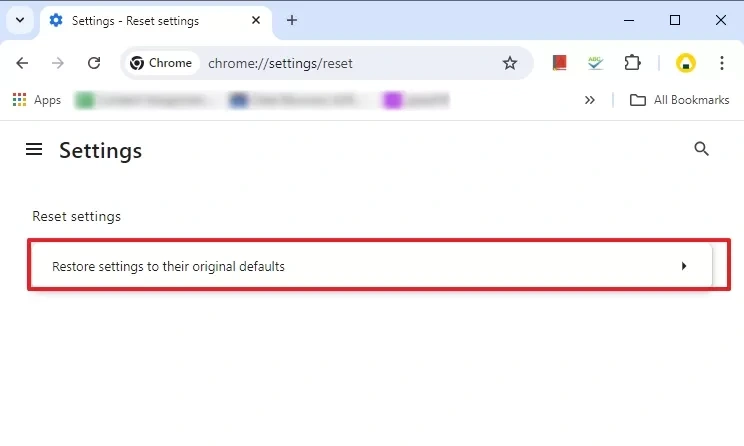
- In the Google Chrome Settings, go to Reset and click on Restore settings to their original defaults.
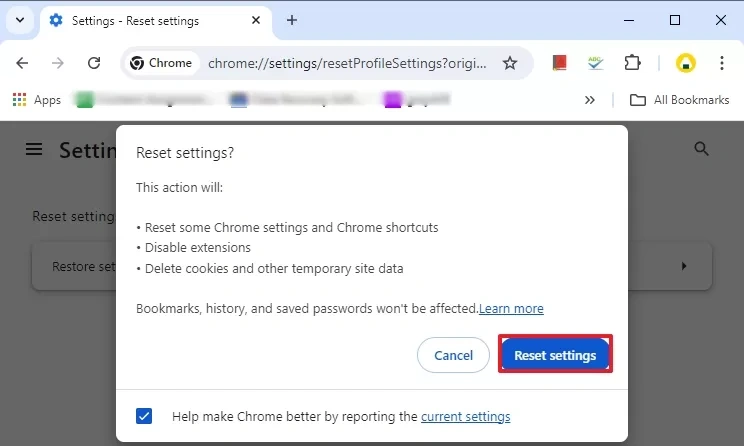
- Click on the Reset setting in the pop-up message on the screen. It will reset all settings of your Chrome browser.
Method 6. Disable all plug-ins
Plug-ins enhance the browsing experience of users, but they are also capable of causing trouble in between. Since you cannot play embedded videos on Google Chrome, you must disable any plug-ins installed in the browser immediately.
Is it just a browser issue or is the video file corrupted?
Here we’ve given a table overview to identify if the reason why Chrome can’t play videos is because of a browser issue or because of video file corruption.
| Issue | Possible reason | What should you do? |
|---|---|---|
| Video isn’t playing on only one website. | Issue with the website. | Refresh the site or check for permission conflict. |
| Works in Firefox or Edge but not in Chrome. | Browser issue. | Reset Chrome settings or clear cache. |
| Video isn’t visible but audio can be heard. | Issue with hardware acceleration of computer. | Disable hardware acceleration. |
| Only one video is not playing. | Corruption in video file. | Verify corruption and repair video file. |
What if the problem is with the video file?
If Chrome can’t play videos even after trying all the given troubleshooting tips, maybe the issue isn’t with Chrome after all. Sometimes the embedded video gets corrupted when it’s uploaded to the website or during the recording itself. If the video fails to play in a different browser or media player, just know that it has been damaged.
The first step before anything should be to repair the video file. But how do you do that? Surely VLC or any other open-source applications aren’t enough to repair video files with a high level of corruption. Then what’s the next best option? Using a trusted Video Repair solution is a practical approach to repair severely damaged video files without damaging the video further. Kernel Video Repair is designed specifically to repair all types of corrupt/damaged or inaccessible video files. It supports recovery of Ultra HD video files as well and saves the recovered video without altering the video quality.
Final insights
Embedded videos not playing in Chrome issue is not that uncommon, especially if there’s some issue with Google’s settings, the cache file, or conflicting extensions. Identify if the problem is with the browser or due to corruption in video file before changing any browser settings. This helps you identify the issue faster without unnecessary troubleshooting. If the video constantly fails to play across different browsers, then this issue most likely stems from video corruption.
People also ask
A. Chrome not playing embedded videos, but they can be played in other browsers suggest that there’s an issue with Chrome’s configuration settings. Make sure to play embedded videos in Chrome without any added extensions and clear cache to see if the issue gets fixed or not.
A. Chromium updates are new updates and security patches released by Google for Chrome and other browsers like Microsoft Edge and Brave. These updates commonly affect video playback of embedded videos because of changes in hardware acceleration and DRM settings.