Read time: 6 minutes
Our computers and laptops hold some of our most important documents, records, research, and years of work that would be impossible to recreate. Data is not always secure, and many threats are looming from random sources. It is the responsibility and need of the businesses to adopt some protection measures to guard their data.
Here, we will be discussing some threats and risks to the system data and measures on how to protect data in computer, which could be adopted for safeguarding it.
Why Protecting Your System Data Matters?
Your system data isn’t just normal files; it’s your work history, clients’s information, financial records, and all other things that keep your day-to-day work running smoothly. Here are some common reasons why you should secure and protect your computer
- Ransomware targeting backups
- AI-driven cyberattacks
- Identity theft and frauds
- Cloud and system misconfigurations
- Insider threats
- Phishing and social engineering
- Prevent misuse of your business data
Proven Ways to Protect Your System Data
Here are the most common and practical ways to protect your system data, whether you are on Windows, Mac, or managing a small business network:
Use Strong & Unique Passwords
If the system is not protected, then any random person can access it and steal or manipulate data on your system in your absence. Similarly, some vital software also requires protection to avoid misuse. But sharing passwords with many could also turn out to be a risk.
Recommended Measures
- Protect user accounts by assigning strong passwords.
- Passwords should be long and a combination of alphabets, numbers, and symbols.
- The software applications can be protected by assigning passwords to them.
- Avoid sharing your password to anyone.
Keep Your Software and Operating System Updated
System software or applications, if not updated for a long-time, lack new features and bug-fixes. Every new update to the software incorporates new features to improve data security. But if you are not concerned about the updates, it becomes easy for hackers to steal the data from the unpatched system software.
Recommended Measures
- Always turn on automatic updates for system Windows. It will keep all Windows and Microsoft tools updated.
- Turn on automatic updates for other applications like anti-viruses, firewalls, and browsers.
- Turn on the notifications for any recent update available for all frequently used applications.
Follow the 3-2-1 Backup Rule for Your Data
System data can be restored even after the crash of the hard disk, corruptions in disk partitions, etc., if the user is in a regular practice of keeping a secure backup at an external place. Otherwise, users can lose data permanently in such situations.
Recommended Measures
- 3-2-1 Backup Rule: Keep 3 total copies of your data, on 2 different types of storage media, with 1 copy stored securely off-site.
- Configure automatic backup of the critical data.
- Do backups at regular frequent intervals – either manually or automatically.
- Try keeping crucial data at a safer location such as external devices like external hard disk, CD, etc.
Install & Use Reliable Antivirus and Anti-Malware Software
Your data is always under the risk of attacks from viruses, malware, spyware, bugs, etc., which would ultimately corrupt or steal your data. Viruses can enter your system through malicious links, foreign emails, external devices, etc.
Recommended Measures
- Try installing the best & genuine antivirus, anti-spyware, & firewall on your system.
- Turn on the notifications in the anti-virus scanner for pre-alerts and warnings for any threats.
- Keep the installed antivirus or anti-spyware always ON for automatic regular updates.
Download & Use Software From Trusted Source
Malicious software can enter your system from different sources like untrusted websites, software download links, fake advertisements or inauthentic message pop-ups. Many times, users get duped by fake software download sites or program links that install many pieces of malware on their systems.
Recommended Measures
- Use secure web browsers like Firefox, Chrome or Microsoft Edge which have the features to identify and block malicious websites.
- Avoid direct opening of suspicious links or attachments online or in emails without any personal verification.
- Always use trusted and genuine sources for downloading any software program.
Data Loss Prevention and Permissions
DLP is all about controlling how your data leaves your system. This prevents accidental sharing, USB copying, or emailing of sensitive information. It also limits what apps can be accessed.
Recommended Measures
- Set policies in such a way that they block copying sensitive data to USB drives.
- Restrict administrator rights so that programs can’t install without approval.
- Use document permissions to prevent forwarding, editing, or printing of confidential files.
Strong Access Control
Most of the data loss situations start with weak access. Shared admin accounts, simple passwords, and no second layer of verification make it easy for attackers or malware to get in.
Recommended Measures
- Use a standard user account for daily work and keep a separate admin account.
- Delivers uninterrupted monitoring while the system is ON
- Enable Multi-Factor Authentication (MFA) on all important accounts.
- Lock your system whenever you step away from it.
Monitor Computers for Unusual Activity
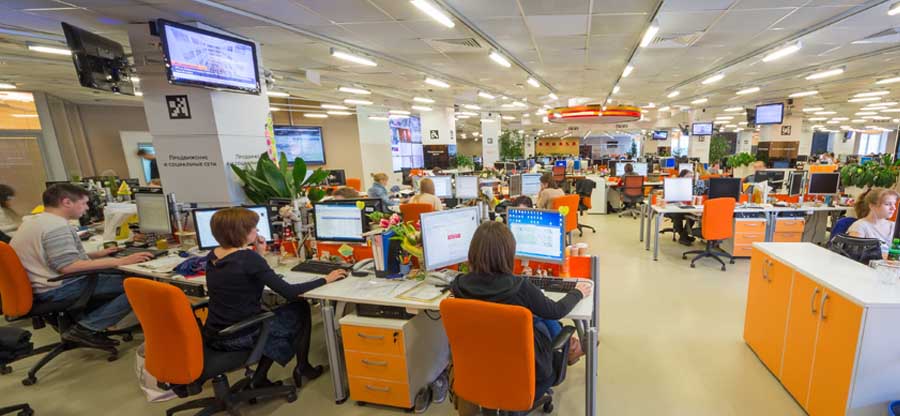
TThere are chances of data breach by employees working in the organization. It can be transferring of files, accidental or intentional deletion, data manipulation, leaking of business secrets or financial details for personal profits, and data theft from PC through external devices like Pen Drive, External Hard Disk, CD, DVD, etc.
Recommended Measures
- Train the employees on how to manage their data securely.
- Take regular backups of crucial system data for all employees in the organization.
- Block access to the websites not related to the work.
- Safeguard data by keeping an eye on physical devices.
- Install a reliable Employee Computer Monitoring tool.
How Can You Make Monitoring Easier and More Effective?
For monitoring the employee activities on a system, taking help from software would be recommended rather than manual supervision. There are many benefits for Employee Computer Monitoring tool, like automatic supervision, tracking from a central location, etc.
While talking about a reliable Employee Desktop Monitoring tool, we introduce you the efficient Kernel Employee Desktop Live Viewer tool. The important features of this Employee desktop monitoring tool are:
- Performs monitoring without employees’ knowledge
- Delivers uninterrupted monitoring while the system is ON
- Facility of dual screen monitoring
- Can monitor the desired number of computer systems
- Allows search and download monitoring videos
This advanced tool also helps organizations to increase an employee’s productivity. You can find its advantages by running its absolutely free Trial version available on the website.
Final Conclusion: How to Protect Data in Computers?
Protecting a system’s data is not just about one tool, it’s about building multiple layers so that if one fails, the other still holds. The most important rule is to automate as much as possible, from backups to passwords. If you have created a strong data protection system, then you can work without worrying about anything.
Frequently Asked Questions
A. Disconnect from the network and internet immediately and restore from your most recent offline backup.
A. Turn on automatic backups and disk encryption. Those two cover the majority of data loss scenarios.